Garden Blog - Top Tropicals

Date: 19 Dec 2025

Eight best winter blooming trees

💐 Eight best winter blooming trees


🛒 Explore Winter bloomers

#Trees #Discover

🟢 Join 👉 TopTropicals

Date: 19 Dec 2025

Ten best shrubs for winter colors

💐 Ten best shrubs for winter colors


🛒 Explore Winter bloomers

#Hedges_with_benefits #Discover

🟢 Join 👉 TopTropicals
Date: 19 Dec 2025

13 festive shrubs with bright flowers that bring color to your Winter Garden when everything else is dormant

13 festive shrubs with bright flowers that bring color to your Winter Garden when everything else is dormant
💐 13 festive shrubs with bright flowers that bring color to your Winter Garden when everything else is dormant

Southern Living points to colorful berries as winter garden standbys. Tropical plants take it a step further, filling the cool season with real flowers, not just fruit. From vivid reds to electric blues, these plants prove winter does not have to be dull.

  • 🌈 1. Gloxinia sylvatica - Bolivian Sunset

  • This plant waits for cool weather, then suddenly lights up the shade with fire-red blooms. Flowers appear almost overnight and continue through fall and winter. It rests in summer, returns in fall, spreads gently, and makes an easy, festive ground cover that is perfect for sharing.

👉 Learn more

  • 🌈 2. Pereskia aculeata - Barbados gooseberry

  • An unusual vine that surprises in cool weather with delicate, star-shaped blooms followed by tasty fruit. It flowers steadily from fall through winter, adding light, airy color to fences and trellises when most vines are quiet.

👉 Learn more

  • 🌈 3. Mansoa alliacea - garlic vine

  • Best known for its garlicky scent, this vine really shines in winter. Cooler temperatures bring clusters of lavender-purple flowers that brighten fences and trellises with very little effort.

👉 Learn more

  • 🌈 4. Dombeya wallichii - tropical hydrangea

  • Large pink pompom blooms hang from bare branches in winter, creating a true holiday look. Lightly fragrant and impossible to miss, it brings hydrangea-style drama to the cool season.

👉 Learn more

  • 🌈 5. Brunfelsia pauciflora Compacta - dwarf yesterday-today-tomorrow

  • Compact and cheerful, this shrub opens purple flowers that fade to lavender and white. The color shift makes it look like several plants blooming at once, perfect for pots or small garden spaces.

👉 Learn more

  • 🌈 6. Clerodendrums

  • Long, cascading sprays of white flowers of Clerodendrum minahassae - fountain clerodendrum - spill from the plant during the cooler months. It brightens shaded areas and adds movement when the garden slows down. Most clerodendrums bloom through Winter!

👉 Learn more

  • 🌈 7. Tibouchina multiflora - glory bush

  • Soft, fuzzy purple blooms cover this shrub in winter, backed by velvety leaves that look good year-round. It adds strong color and texture during the cool season.

👉 Learn more

  • 🌈 8. Holmskioldia sanguinea - Chinese hat

  • Bright red, orange or yellow, hat-shaped bracts surround small flowers and hold their color through the cool months. The shape alone makes this shrub a standout in winter.

👉 Learn more

  • 🌈 9. Barleria cristata - Philippine violet

  • This tough shrub blooms heavily in winter with rich purple flowers. It delivers dependable color when many plants take a break. There is a golden variety too!

👉 Learn more

  • 🌈 10. Eranthemum pulchellum - blue sage, lead flower

  • Few plants offer true blue in winter. Electric-blue flower spikes appear in cool weather, adding rare color with minimal care.

👉 Learn more

  • 🌈 11. Petrea volubilis - queen's wreath

  • In winter, this woody vine erupts into cascading sprays of lavender star-shaped flowers. It creates a wisteria-like effect right when the garden needs it most.

👉 Learn more

  • 🌈 12. Tabebuia varieties - dwarf golden and dwarf pink

  • These trees save their show for winter, blooming on bare branches. Golden forms glow yellow, while pink varieties cover themselves in soft trumpet-shaped flowers.

👉 Learn more

🌈 13. Bauhinia trees - pink butterfly and Hong Kong orchid trees
Butterfly-shaped blooms open on leafless branches, giving bauhinias their signature winter elegance. The Hong Kong orchid tree stands out with especially large, vivid flowers.

🛒 Explore Winter bloomers

📚 Learn more:

#Hedges_with_benefits #Discover

🟢 Join 👉 TopTropicals
Date: 18 Dec 2025

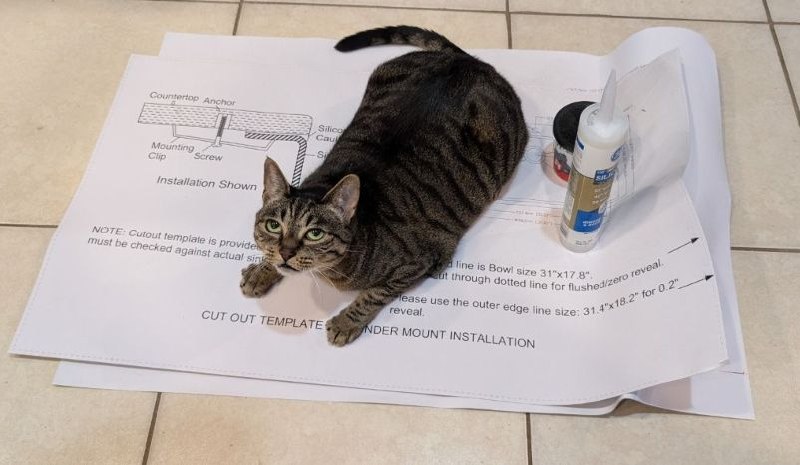
Look what cat found in the box!

🕯 Look what cat found in the box! (I wanna know too)

"What's in the box?!" - Brad Pitt, in the film Se7en (1995)

🐈📸 Cat Pelmen is satisfying his curiosity - a friend of TopTropicals PeopleCats.Garden.

#PeopleCats #Quotes

🟢 Join 👉 TopTropicals

Date: 18 Dec 2025

How to have fruit year around from Everbearing Mulberry

🍇 How to have fruit year around from Everbearing Mulberry

📱

💗 Dwarf Everbearing and Dwarf Issai - Compact, container-friendly varieties perfect for small spaces. These dwarf trees (6-10 ft tall) are disease and drought resistant, with multiple crops year-round, even from the first year! Ideal for patios and small yards..

🛒 Plant hardy Mulberry year around

📚 Learn more:

#Food_Forest

🟢 Join 👉 TopTropicals

Date: 17 Dec 2025

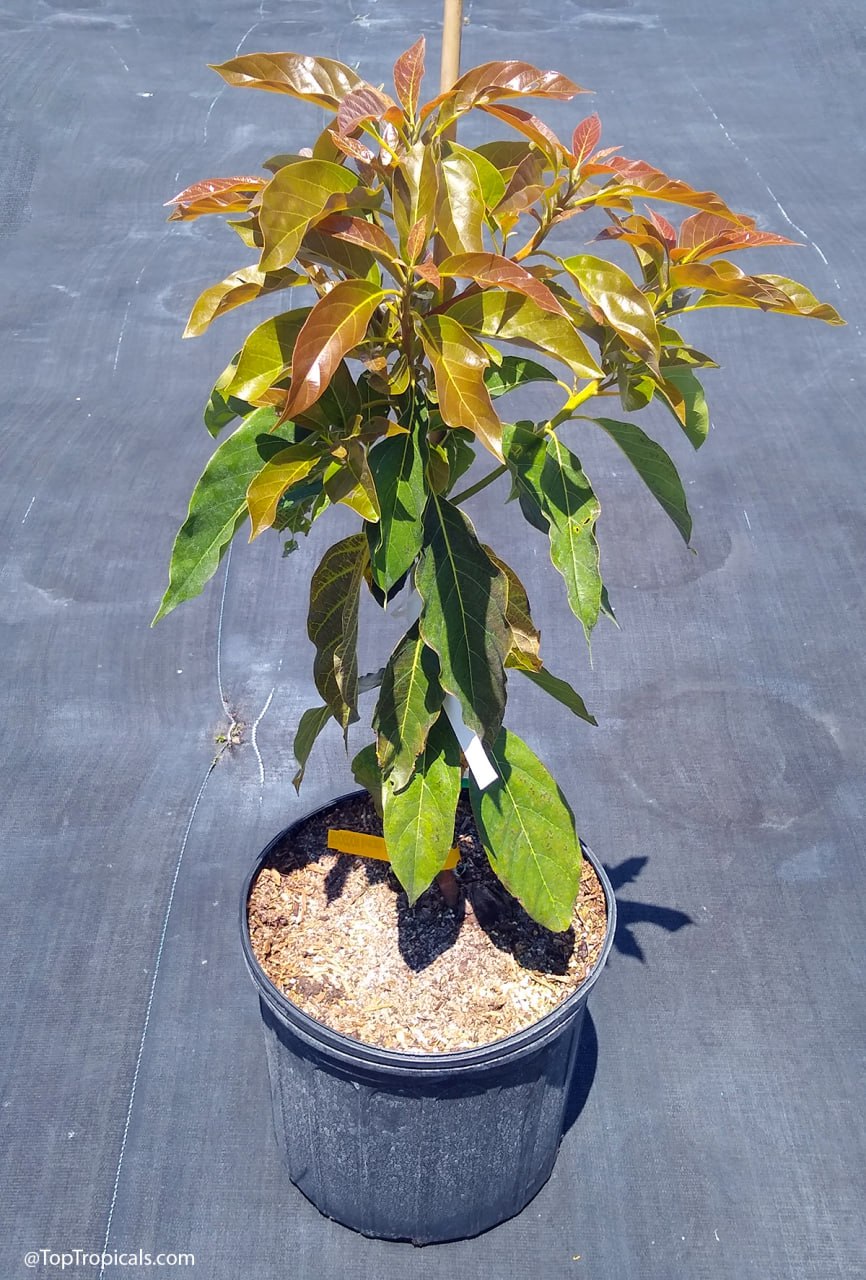
What is so unique about Wurtz avocado?

What is so unique about Wurtz avocado?
🌳 What is so unique about Wurtz avocado?

Avocados come from three main regions, and each group has its own special look, taste, and growing habits. The three types are Mexican, Guatemalan, and West Indian. Many of today’s popular varieties are hybrids, mixing traits from these types as we mentioned in earlier post.

  • Wurtz Avocado, also known as Little Cado or Mexicola Dwarf, is special because it’s a true dwarf tree. That means it stays small, making it perfect for small gardens, patios, or containers. You can even grow it indoors in a sunny spot!

  • Wurtz is actually a Guatemalan-type avocado, not exactly a Florida or California type. It has a slightly different growth habit and pollination pattern than those two groups.

  • The fruit is small to medium in size, with smooth green skin and a rich, buttery flavor. Its flesh is creamy and full of healthy oils, much like the California (Hass-type) avocados.

  • In short: Wurtz is a compact, easy-to-grow avocado tree that produces delicious, buttery fruit. It’s perfect for gardeners who want a real avocado tree without needing a big yard.


✔️ Check out
Avocado Variety Guide interactive chart. Sort them by flower type A or B, tree habit, fruit shape and quality, cold hardiness, origin, season and more!

🛒  Plant Avocado Wurtz
Explore Avocado varieties and Dwarf Avocado

📖 Our Book: Avocado Variety Guide, Snack or Guacamole?

📚Learn more:

🎥 What is a Dwarf Condo Avocado that fruits at 3 ft tall? 📱

#Food_Forest #Avocado

🟢 Join 👉 TopTropicals

Date: 17 Dec 2025

What is a Dwarf Condo Avocado and does it really fruit at 3 ft tall?

What is a Dwarf Condo Avocado and does it really fruit at 3 ft tall?


🛒 Explore Avocado varieties and Dwarf Avocado

#Food_Forest #Avocado

🟢 Join 👉 TopTropicals

Date: 16 Dec 2025

Nobel Prize goes to this pregnant male!

Male papaya with fruit

🏆 Nobel Prize goes to this pregnant male!
  • 👀 Some Papaya trees really break the rules, and this one deserves its own headline. We have a true oddball in the garden - a male papaya tree that actually set a lot of fruit! Not just one fruit, but a whole cluster hanging from those long flower stalks.
  • 👀 We all know that male papayas only make flowers but never set fruit. They only give us sweet fragrance from these flowers! By the way, thanks for the flowers, guys!
  • 👀 The fruit comes from the female flowers that sit tight on the trunk. But every now and then, nature throws a curveball. It looks like a male tree forms perfect female flowers on its long stems and decides to become a parent after all!
  • 👀 The result? Ripe, sweet papayas growing where they absolutely should not be. And yes, they even had seeds inside.
  • 👀 Gardeners wait years for good surprises like this. A male papaya giving birth… that’s rare enough to give a Nobel prize!


🛒 Explore the unpredictable world of Papayas

📚 Learn more:

#Food_Forest #Papaya

🟢 Join 👉 TopTropicals

Date: 16 Dec 2025

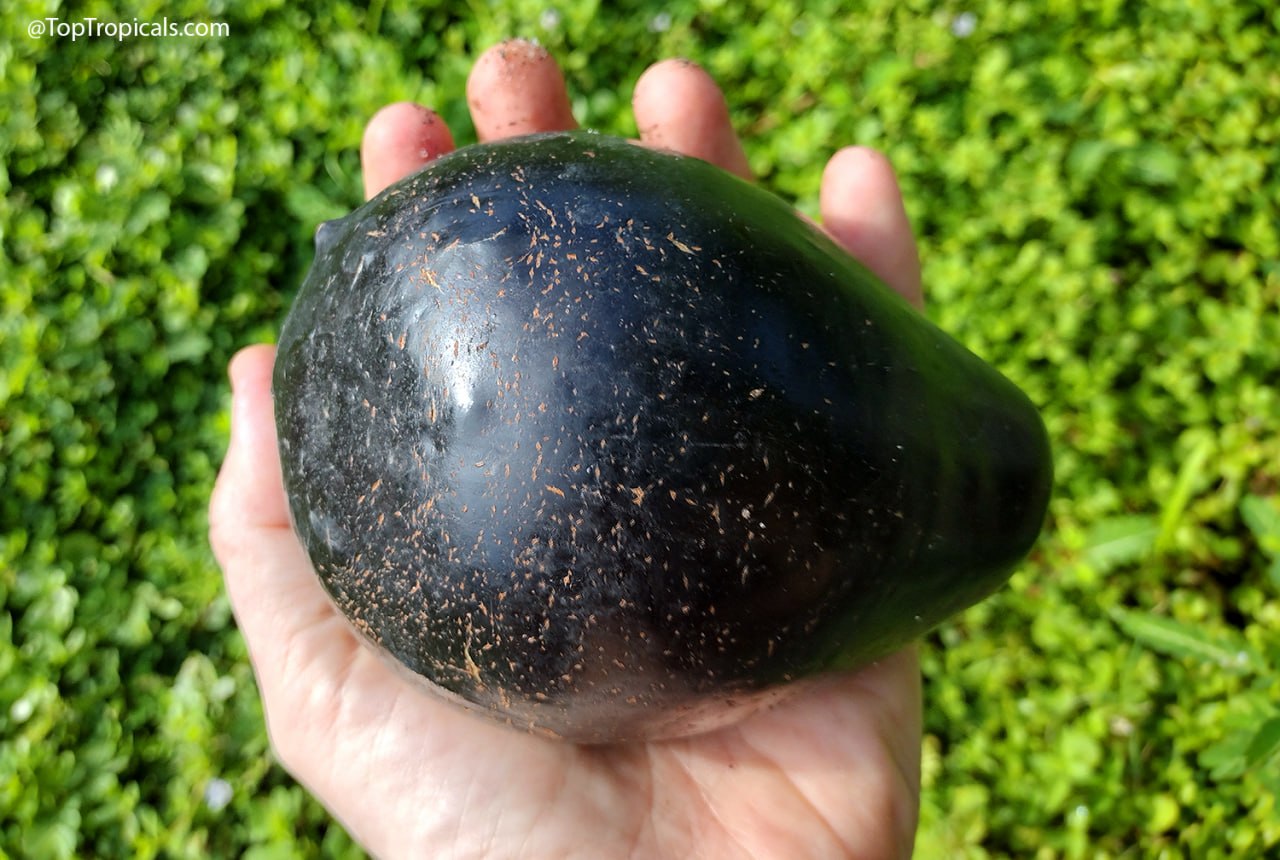
Black sapote mocha dip: quick-n-fun exotic recipes

Black sapote mocha dip

Black sapote mocha dip

🍴 Black sapote mocha dip: quick-n-fun exotic recipes
  • 🔴Mix black sapote pulp with a spoon of cocoa powder.
  • 🔴Stir in a drizzle of condensed milk for a silky dip.


🛒 Plant exotic Black Sapote Tree and enjoy sweet melting fruit

📚 Learn more:
▫️ Black Sapote tree (Diospyros digyna) in Plant Encyclopedia

#Food_Forest #Recipes

🟢 Join 👉 TopTropicals

Date: 15 Dec 2025

🌿 Bring the Jungle Inside: Winter Survival Guide. Part 3. Watering and Humidity. ❄️


💦 Water, Humidity, and the Small Things That Decide Who Makes It to Spring

Smokey the tuxedo cat checks soil moisture and wipes a monstera leaf 
while Sunshine the ginger cat relaxes with a watering can beside indoor 
tropical plants in winter.

Smokey: "Still damp. No watering today."
Sunshine: "Great. I am excellent at not watering."
Smokey: "You have been practicing not doing any work your whole life."

In Part 1 we covered the foundation: light, temperature, placement, and acclimation. That is the survival layer.

Part 2 is about what quietly ruins plants indoors in winter. Not overnight. Slowly.

Most winter losses come from good intentions and habits that worked fine outdoors or in summer, but fail indoors when growth slows.

Watering: Where Most Indoor Plants Die in Winter

If there is one winter skill that matters more than anything else, it is knowing when not to water.

In winter, light is weaker, temperatures are lower, roots stay cold longer, and growth slows or stops. Plants simply do not drink the way they do in summer.

How winter watering actually works

Do not water on a schedule. Winter does not care about your calendar.

Instead:

  • Water thoroughly when you do water.
  • Let excess drain out.
  • Then wait longer than feels comfortable.

Before watering, test the soil with your finger. Water only when the top inch or so is dry.

If the soil below still feels cool and damp, do nothing. That is the hardest skill to learn.

Remember what we covered in Part 1: in winter, soil and roots stay cold much longer. Cold roots absorb water very slowly. Wet, cold soil is not helpful moisture. It is stress.

Waiting is often the correct move.

Common winter watering traps

  • The soil surface looks dry, but the root ball is still wet.
  • Pots near windows dry unevenly.
  • Large pots stay wet for weeks.

Always check below the surface. If the pot feels cold and heavy, roots are not asking for water yet.

Signs you are watering too much

  • Soil stays wet for many days.
  • Pot feels heavy long after watering.
  • Leaves yellow and soften.
  • Fungus gnats appear.

As a rough guideline, most indoor tropicals need 25 to 50 percent less water than summer, sometimes even less in low light.

Always use room temperature water. Cold water shocks roots and slows recovery.

Humidity: Invisible Winter Stress

Winter indoor air is dry. Often far drier than people realize.

Heating systems pull moisture out of the air, and many homes sit at 20 to 30 percent humidity all winter. Most tropical plants prefer something closer to 50 to 60 percent.

Low humidity rarely kills plants outright. It weakens them first. That is why pests show up more often in winter. The plant is already stressed before insects arrive.

What low humidity looks like

  • Brown or crispy leaf edges.
  • Curling leaves.
  • New leaves stuck while unfolding.
  • Spider mites appearing suddenly.

What actually helps

  • Group plants together.
  • Use pebble trays.
  • Run a room humidifier.
  • Use bathrooms if light allows.

Humidity works best when plants are grouped. One isolated plant in dry air struggles far more than a group sharing moisture.

Misting leaves feels helpful, but it only raises humidity for minutes. It does not fix dry air.

Cleaning Leaves: More Important Than It Sounds

Winter light is already weak. Dust makes it worse.

Dusty leaves block light, clog stomata, and create hiding places for pests.

Wiping leaves is one of the simplest winter care steps, and one of the most ignored.

How to clean

  • Soft cloth.
  • Plain water.
  • Mild soap if needed.

Gently wipe. No scrubbing. Every few weeks is enough.

Plants with fuzzy leaves, like African violets, should only be brushed gently with a dry brush.

Clean leaves also make problems easier to see. You will spot mites, scale, or damage early instead of discovering it weeks later.

Winter is not the season to be surprised.

Soil and Pots Behave Differently Indoors

Soil that works outdoors often behaves badly indoors. No wind, lower evaporation, and cooler roots mean the same soil stays wet far longer than expected.

In winter, roots care more about oxygen than water. Soil that stays wet pushes oxygen out, even if the plant looks fine above the soil line.

This is why rot often appears suddenly in late winter, not right after watering mistakes.

Pot size matters

Large pots dry slowly. Slow drying plus cool soil equals rot.

If a plant is barely growing, a very large pot is not doing it any favors.

About repotting

Winter is not the time to repot unless you must.

Only repot if:

  • Roots are rotting.
  • Pests are severe.
  • The plant is clearly failing.

Repotting in winter slows recovery and often makes things worse.

Airflow: Quietly Important

Indoor winter air is still. Still air leads to mold, fungus, and spider mites.

Airflow is not about cooling plants. It is about breaking stagnant air layers that pests and fungus love.

A small fan on low, not blowing directly on plants, makes a big difference. Even gentle movement helps more than people expect.

Drainage and Mold: Boring but Critical

Never let pots sit in water.

Standing water causes root rot, fungus gnats, and mold smell. Always empty trays after watering.

Raise pots slightly so air can move underneath. It helps more than people expect.

If you smell sour soil or a musty odor, something is staying wet too long. That smell is an early warning, not a minor issue.

Fertilizer: Mostly Stop

This is where a lot of winter damage happens.

If a plant is not actively growing, fertilizer does not help. It hurts.

In winter, most indoor tropicals are in maintenance mode, not growth mode. Feeding during this time leads to salt buildup, root burn, and weak, floppy growth.

Green leaves do not mean the plant is growing. They often just mean the plant has not given up yet.

Growth shows up as new leaves, longer stems, or expanding roots. No growth means no feeding.

When light feeding is acceptable

Only if all of these are true:

  • The plant is warm.
  • Light is strong.
  • You see real new growth.

Even then, feed lightly and less often than summer.

Spring will come. You do not need to force it.

Common Winter Care Mistakes

  • Watering on a schedule.
  • Misting instead of humidifying.
  • Fertilizing to fix poor light.
  • Ignoring cold windowsills.
  • Placing pots on cold tile or stone.
  • Repotting out of boredom.
  • Letting trays stay wet.
  • Assuming green leaves mean growth.
  • Assuming winter leaf drop always means death.

Quick Winter FAQ

My soil stays wet forever.
Too little light, too cold, or pot too large. Water less.

Leaves are crispy but soil is wet.
Low humidity combined with overwatering.

Should I mist every day?
No. Fix the air, not the leaves.

Can I fertilize just a little?
Only if the plant is clearly growing.

Why do I suddenly have fungus gnats?
Wet soil indoors is the invitation.

My plant looks fine but has not grown in months. Is that bad?
No. Stability is success in winter.